When Foundation Lifting Is a Better Option Than Repair
When foundation lifting is a better option than repair, local contractors can help stabilize your home efficiently and effectively.
Property owners in the area facing foundation concerns often wonder whether foundation lifting or traditional repair methods are the best choice. Understanding when foundation lifting is a better option than repair can help save time, reduce costs, and provide a more stable solution for certain types of foundation issues. This approach is particularly effective for addressing uneven settling or minor lifting needs, making it a practical consideration for those seeking a long-term fix without extensive excavation or reconstruction.
Local contractors specializing in foundation lifting can assess the specific conditions of a property to determine if this method is suitable. They bring experience in safely elevating and stabilizing foundations, which can be especially beneficial in cases where traditional repair might not fully resolve underlying problems. Exploring this option with experienced service providers ensures that property owners make informed decisions tailored to their property's needs, encouraging continued reading to learn more about how foundation lifting might be the right choice.
- When foundational settlement has caused uneven floors and cracks, local contractors may recommend foundation lifting as a more effective solution than repair. - For homes experiencing significant structural movement, foundation lifting can stabilize the foundation when repair methods are insufficient. - When soil conditions lead to ongoing shifting, local service providers often suggest foundation lifting to address the root cause rather than just cosmetic fixes. - In cases where foundation walls are bowing or cracking extensively, foundation lifting can restore alignment more reliably than traditional repair options. - When a property shows signs of sinking or unevenness that compromise safety, local contractors may determine foundation lifting is the best approach over patch repairs.

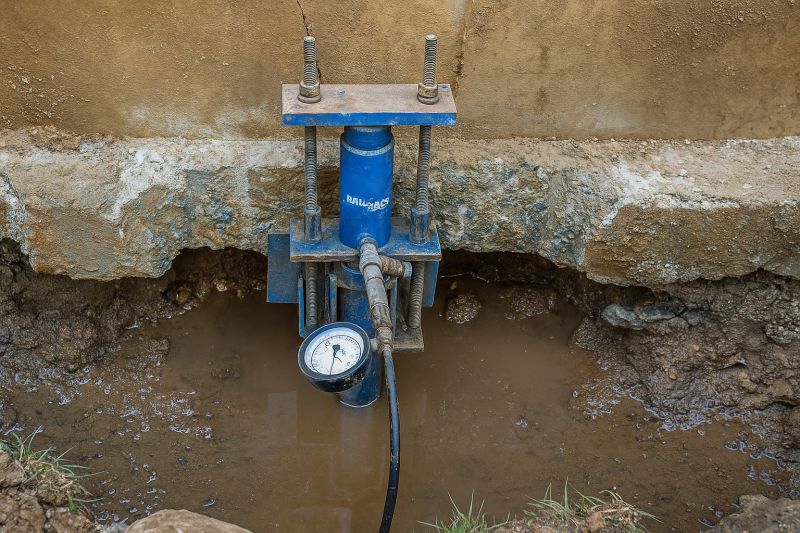

When homeowners search for information about foundation solutions, they often want to understand when foundation lifting is a better option than repair. Typically, this question arises when there are noticeable signs of foundation movement, such as uneven floors, cracked walls, or doors and windows that no longer close properly. In these cases, property owners are trying to determine whether a more aggressive approach like foundation lifting can effectively restore stability or if a simpler repair will suffice. Understanding the differences helps homeowners make informed decisions about the most appropriate course of action for their specific situation.
Foundation problems that involve significant settling or sinking are often the primary situations where foundation lifting is considered a better option than repair. When the soil beneath a property has shifted or compacted unevenly, the foundation may settle unevenly, causing structural distortions. In such cases, lifting the foundation can realign the structure to its original position, preventing further damage. This approach is typically suitable for properties experiencing severe or uneven settlement, where traditional repair methods might only address surface symptoms rather than the underlying issue. Local contractors who specialize in foundation lifting can evaluate these conditions and recommend the most effective solution.
The types of properties that usually come up in discussions about foundation lifting include residential homes, especially those with basements or crawl spaces, and some small commercial buildings. Older homes built on expansive clay soils or areas prone to soil movement are common candidates, as their foundations are more vulnerable to shifting. Additionally, properties with visible signs of unevenness, such as sloping floors or cracked walls, often prompt homeowners to explore foundation lifting. These projects typically require precise assessment and specialized equipment, making the expertise of local service providers essential to ensure the process is done correctly and effectively.
Ultimately, foundation lifting is a practical choice when the goal is to restore the original position of a sinking or uneven foundation, especially in cases of significant or uneven settlement. It can be a more comprehensive solution than traditional repair methods, which may only address superficial cracks or cosmetic issues. Homeowners considering this approach should seek out local contractors with experience in foundation lifting techniques. These professionals can evaluate the specific conditions of a property, determine whether lifting is appropriate, and carry out the work safely and effectively, helping to preserve the structural integrity and value of the property over time.
Slab jacking and mudjacking - these projects involve lifting and leveling concrete slabs, utilizing skills and tools similar to foundation lifting to stabilize settled structures.
Basement and crawl space underpinning - underpinning requires precise lifting and reinforcement techniques akin to foundation lifting to address structural issues below ground level.
Soil stabilization and ground improvement - these projects focus on preparing and strengthening soil, which complements foundation lifting strategies for better stability.
Pier and beam foundation repair - repairing or replacing piers involves lifting and supporting structures, sharing planning and equipment with foundation lifting services.
Structural reinforcement and bracing - adding supports to existing structures often involves lifting elements to correct alignment, similar to foundation lifting methods.
Retaining wall installation and repair - these projects require understanding soil and load management, paralleling the planning involved in foundation lifting to prevent future issues.

When evaluating foundation lifting services, it is important to consider the experience of local contractors with similar projects. Homeowners should inquire about how many times a service provider has performed foundation lifting for properties with comparable conditions or issues. A contractor's familiarity with the specific challenges and solutions related to foundation lifting can be a strong indicator of their ability to deliver effective results. Additionally, understanding their approach to the process and their familiarity with the latest techniques can provide confidence that the project will be handled professionally and efficiently.
Clear written expectations are essential when choosing a foundation lifting contractor. Homeowners should seek detailed explanations of what the project will involve, including the scope of work, the methods used, and the expected outcomes. A reputable service provider will be transparent about what is included and what is not, helping homeowners make informed decisions. Having these details in writing also helps prevent misunderstandings and ensures that everyone is aligned on the goals of the project, especially when foundation lifting is considered over repair options.
Reputable references and effective communication are key factors in selecting the right service provider. Homeowners can ask for references from previous clients who had similar work done, which can offer insights into the contractor’s reliability and quality of work. Good communication throughout the process-such as prompt responses to questions and clear updates-can help homeowners feel confident that the project will proceed smoothly. When local contractors demonstrate a history of satisfied clients and maintain open, transparent dialogue, it often indicates a professional approach to foundation lifting that aligns with the homeowner’s needs and expectations.
Property owners often search for when foundation lifting is a better option than repair when they are planning practical projects around their homes and businesses. Local pros provide Foundation Lifting services for everyday jobs and straightforward project options.


In many everyday property situations, foundation lifting can be a more effective solution than traditional repair methods. When signs of uneven floors, sticking doors, or cracked walls become noticeable, property owners often seek options that can restore stability without extensive reconstruction. Local contractors experienced in foundation lifting have the tools and expertise to address these issues by carefully raising and leveling the foundation, which can help prevent further damage and maintain the property's overall integrity.
Property owners in the area might consider foundation lifting services over repair when the problem stems from settling or shifting that affects the entire structure rather than localized damage. If the foundation has experienced significant movement or if the soil conditions are causing ongoing instability, lifting the foundation can provide a more comprehensive approach to stabilizing the property. Local service providers can assess the situation and determine if foundation lifting is the appropriate course of action, offering a solution that aims to correct the underlying issues more effectively than patchwork repairs.
When is foundation lifting a better option than repair? Foundation lifting is typically a better choice when the foundation has settled unevenly or has significant structural movement that can be corrected by raising and stabilizing the foundation, rather than just patching or sealing cracks.
How do I know if foundation lifting is suitable for my property? Local contractors can assess the extent of foundation movement and determine if foundation lifting can effectively restore stability, especially if the issues involve significant sinking or shifting that repair methods alone cannot address.
What signs indicate that foundation lifting might be necessary instead of repair? Indicators include large or multiple cracks in walls or floors, uneven floors, sticking doors or windows, and visible settling or sinking of the structure, which may signal that lifting is a more appropriate solution.
Can foundation lifting prevent future damage better than traditional repair? Yes, when foundation lifting is performed properly, it can realign the foundation to prevent ongoing movement and further damage, whereas repairs may only address symptoms without correcting underlying issues.
What types of foundation issues are best addressed with foundation lifting services? Foundation lifting is most effective for issues involving settlement, unevenness, or shifting that compromise the structural integrity, especially when these problems are severe enough that repair methods alone would not suffice.
Assessing uneven floors - When floors are noticeably sloped or cracked, foundation lifting can realign the structure without extensive repairs. Local contractors can evaluate whether lifting is suitable for restoring stability.
Addressing significant settlement issues - If a property shows signs of substantial sinking, foundation lifting offers a way to lift and stabilize the foundation efficiently. Service providers can determine if lifting is a practical solution.
Correcting structural misalignments - When walls or doorframes are out of square due to foundation shifts, foundation lifting can realign these elements without complete reconstruction. Local experts can advise on the best approach.
Preventing further damage - In cases where minor cracks are worsening, lifting the foundation early may prevent costly repairs later. Local contractors can identify when lifting is a better option than repair.
If you are thinking about when foundation lifting is a better option than repair for a property, this guide is meant to help you understand this topic, the typical project types, and how different options might fit your plans.
When you are ready, you can use the quote form on this page to share a few details about your project. From there, local pros can review the basics and follow up with options that match what you have in mind.